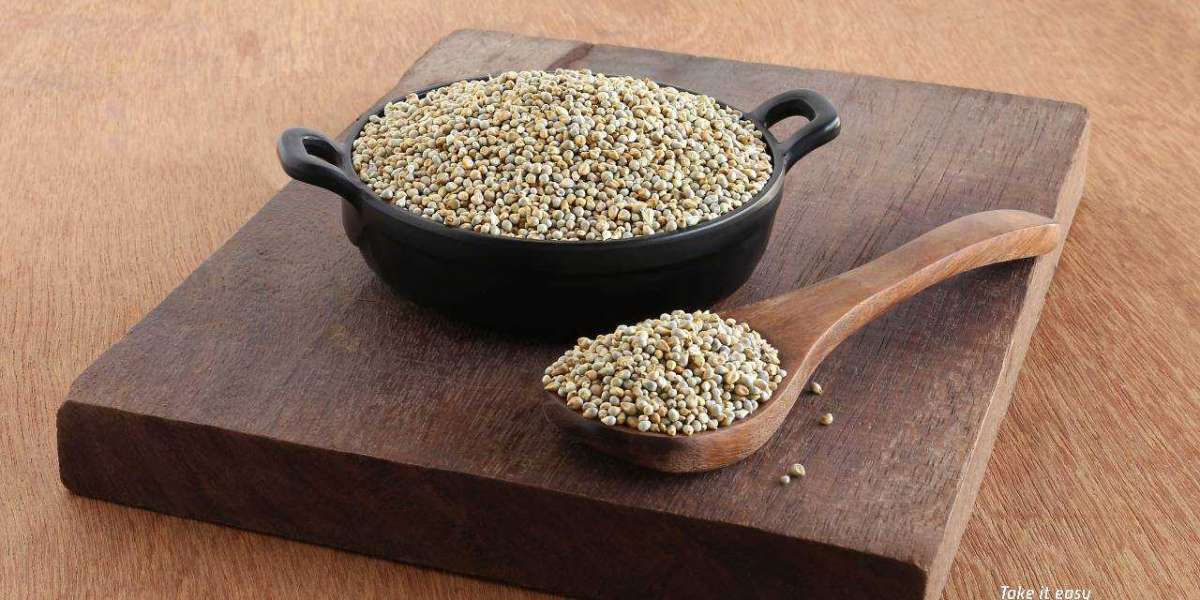

Millet-based cookies have transcended their traditional roots to become a flagship innovation within the world market biscuits, particularly in the Asia-Pacific (APAC) region, where ancient grains meet modern wellness. Once confined to rural diets and festive rituals, millets—small-seeded grasses like pearl, finger (ragi), foxtail, and proso—are now engineered into premium biscuits and crackers that deliver superior nutrition, climate resilience, and sensory delight. This surge is fueled by converging macro-trends: rising demand for gluten-free biscuits, vegan cracker ranges, high-fiber snacks, sugar-free alternatives, plant-based nutrition, low-sugar biscuits, fortified digestive biscuits, and clean label ingredients. Millet-based cookies represent the pinnacle of this convergence—offering naturally high protein, fiber, and micronutrients while supporting regenerative agriculture and food security in water-stressed regions.
Comprehensive Market Segmentation
Segmentation within the millet-based cookies market is strategically layered to balance cultural authenticity, functional performance, and global scalability. By product type, the category spans sweet cookies (jaggery-millet, chocolate-coated), savory crackers (herb-infused ragi, seed-topped foxtail), digestive biscuits (pearl millet-bran hybrids), and functional formats (protein-enriched, iron-fortified). Sweet cookies dominate emotional gifting and urban snacking, while digestive and functional variants lead institutional and clinical channels.
Millet variety segmentation forms the agronomic and nutritional core. Pearl millet (bajra) leads volume due to its drought tolerance and high iron content, ideal for anemia-targeted fortification. Finger millet (ragi) dominates premium tiers with its calcium density and malty depth—perfect for vegan, gluten-free platforms. Foxtail and little millet enable delicate textures in shortbread-style cookies, while proso and kodo support high-fiber, low-GI crackers. Blended millet matrices—ragi + pearl, foxtail + quinoa—optimize amino acid profiles and baking functionality, with extrusion and micronization enhancing dough elasticity.
Distribution channel segmentation reflects a hybrid go-to-market model. Modern trade (hypermarkets, Big Bazaar, Lulu) anchors urban penetration via dedicated “supergrain” zones. Traditional kirana and rural outlets leverage cultural familiarity, with micro-pack SKUs driving trial in Tier-3/4 India. E-commerce (Amazon India, Flipkart, Shopee) explodes personalization—AI recommends millet types by health goal (e.g., ragi for bone health, pearl for energy). Institutional channels—schools, anganwadis, corporate cafeterias—embed millet cookies under India’s POSHAN Abhiyaan and similar APAC nutrition mandates.
Packaging segmentation prioritizes sustainability and education. Home-compostable stand-up pouches (kraft-PLA laminates) protect millet’s lipid stability. Resealable 200g packs feature millet origin maps, QR codes linking to farmer stories, and “Gluten-Free by Nature” seals. Single-serve 30g sachets target school lunchboxes and travel, while 1kg bulk tins serve cloud kitchens and mid-day meal programs. Child-friendly graphics and bilingual labeling (English + regional languages) enhance inclusivity.
Dominating Region Analysis: APAC as the Global Epicenter
Asia-Pacific (APAC) is the undisputed leader in millet-based cookies, commanding both volume and innovation velocity. India is the spiritual and commercial home—home to 40% of global millet production and a government-backed Millet Mission aiming for “Shree Anna” (superfood) status. Urban brands reformulate ragi biscuits into café-style cookies, while rural cooperatives supply fortified digestives to 100 million schoolchildren via ICDS. China accelerates via state grain reserves, with foxtail millet crackers surging in Tier-1 cities under “healthy China 2030” initiatives. Japan refines proso millet into minimalist, giftable shortbread with yuzu glaze—exported as premium “ancient grain” delicacies.
Australia emerges as a high-value exporter, leveraging drought-resistant millet strains for gluten-free, high-protein platforms sold into EU and North America under “clean green” certification. Africa—particularly Nigeria and Mali—supplies raw millet to APAC processors, with reverse innovation flowing back via fortified biscuit exports.
Europe and North America are fast followers, importing APAC millet expertise. The UK integrates ragi into digestive biscuits under “ancient grains” marketing, while Germany launches pearl millet protein crackers in bio-stores. In the US, California’s food-tech scene pioneers millet-quinoa blends in keto cookies, distributed via Thrive Market and Whole Foods.
Key Players and Recent Developments
Britannia Industries dominates APAC with its NutriChoice Millet Cookies platform. A 2025 launch of “Ragi Calcium Crunch” delivers 100mg calcium per serving via bioavailable ragi—clinically validated for bone density in adolescent girls. Its Bengaluru RD hub developed a patented millet micronization process that reduces anti-nutrients by 60% while preserving flavor. A rural millet sourcing program—training 8,000 women farmers in regenerative practices—now supplies 50% of its grain by mid-2025.
Parle Products counters with Parle Milano Millet, introducing a jaggery-pearl millet sandwich cookie with 30% less sugar and 4g fiber. Its “Millet for Millions” initiative—partnered with FSSAI—distributed 2 million fortified samples via anganwadis, achieving 95% repeat purchase in pilot districts.
Mondelez International entered APAC via a 2025 Oreo Millet Edition—a limited-drop ragi-chocolate cookie co-created with Indian chefs. Its Singapore innovation center developed a millet-based cream fill using foxtail starch, achieving dairy-like mouthfeel without allergens. A blockchain-tracked supply chain verifies millet from rainfed Maharashtra farms.
Nestlé launched Milo Millet Crunch, a pearl millet–malted beverage hybrid biscuit fortified with iron and B-vitamins. A 2025 pilot in Indonesia achieved 100% recyclable, paper-based trays, with millet sourced from regenerative cooperatives in East Java.
PepsiCo (via Quaker India) introduced Quaker Millet Protein Cookies, blending ragi, pea protein, and hemp for 10g protein per pack. AI-optimized baking parameters—validated via 25,000 e-tongue scans—eliminated grittiness. A 2025 “Millet Athlete” campaign with Indian Olympic medalists drove 300% YoY growth in premium channels.
Kellogg Company launched Joyböl Millet Power, a foxtail-proso cracker with 8g fiber and low-GI positioning. A collaboration with ICRISAT validated drought-resilient millet strains, enabling climate-smart sourcing claims.
Unilever (via acquired Kwality Wall’s) introduced a ragi-ice cream sandwich biscuit using upcycled millet hull fiber. Its “Millet Soil to Shelf” initiative now regeneratively farms 10,000 hectares in Karnataka, monitored via satellite NDVI.
Strategic Imperatives and Professional Outlook
Millet-based cookies demand agritech mastery: seed breeders develop baking-optimized varieties, food scientists reduce phytic acid via fermentation, and supply chain experts build resilient farmer networks. Texture remains the gatekeeper—micronized millet flour must deliver snap without chalkiness. Co-manufacturing with millet clusters (e.g., Telangana, Rajasthan) mitigates risk for global players.
Future convergence will fuse millet with precision nutrition (iron-biofortified ragi for anemia), nootropics (brahmi-millet), and upcycled formats (brewery millet mash). Retail theater—millet cooking demos, farmer VR tours—will bridge urban-rural disconnects. Policy tailwinds (India’s Millet Year, UN FAO declarations) will mandate millet inclusion in public nutrition programs.
In conclusion, millet-based cookies are not a revival—they are a revolution. As APAC leads and segmentation globalizes this supergrain, industry leaders must invest in seed-to-snack traceability, sensory science, and inclusive growth. The professional mandate is clear: scale millet not as charity, but as strategy. For a panoramic view of this resilient category, explore the in-depth millet-based cookies ecosystem.